葱
See also: 蔥
| ||||||||
Translingual

References
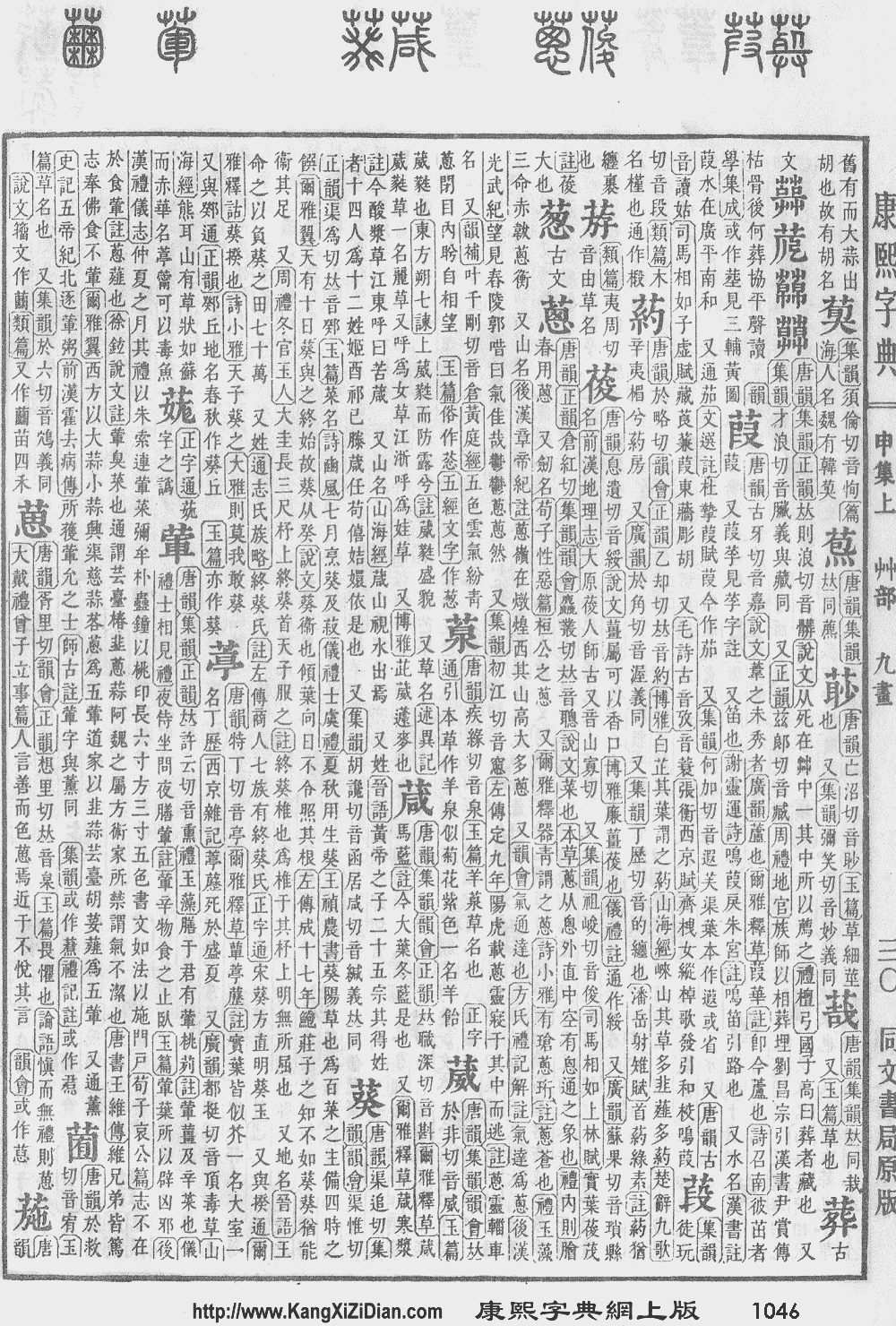
- Kangxi Dictionary: page 1046, character 15
- Dai Kanwa Jiten: character 31454
- Dae Jaweon: page 1507, character 15
- Hanyu Da Zidian (first edition): volume 5, page 3253, character 11
- Unihan data for U+8471
Chinese
Glyph origin
Characters in the same phonetic series (囱) (Zhengzhang, 2003)
| Old Chinese | |
|---|---|
| 牎 | *sʰroːŋ |
| 窗 | *sʰroːŋ |
| 窓 | *sʰroːŋ |
| 囱 | *sʰroːŋ, *sʰloːŋ |
| 總 | *ʔsloːŋʔ |
| 熜 | *ʔsloːŋʔ |
| 傯 | *ʔsloːŋʔ |
| 緫 | *ʔsloːŋʔ |
| 揔 | *ʔsloːŋʔ |
| 偬 | *ʔsloːŋʔ, *ʔsloːŋs |
| 囪 | *sʰloːŋ |
| 璁 | *sʰloːŋ |
| 驄 | *sʰloːŋ |
| 蔥 | *sʰloːŋ |
| 匆 | *sʰloːŋ |
| 怱 | *sʰloːŋ |
| 葱 | *sʰloːŋ |
| 楤 | *sʰloːŋ |
| 聦 | *sʰloːŋ |
| 繱 | *sʰloːŋ |
| 騘 | *sʰloːŋ |
| 鍯 | *sʰloːŋ |
| 聰 | *sʰloːŋ |
| 愡 | *sʰloːŋs |
| 檧 | *sloːŋ, *sloːŋʔ |
| 憽 | *sloːŋ |
| 幒 | *sʰloŋʔ, *kjoŋ |
Phono-semantic compound (形聲/形声, OC *sʰloːŋ) : semantic 艸 (“grass”) + phonetic 怱 (OC *sʰloːŋ).
Definitions
Lua error in Module:utilities at line 142: attempt to perform arithmetic on local 'h' (a nil value)
Japanese
Readings
Lua error in Module:utilities at line 142: attempt to perform arithmetic on local 'h' (a nil value)
Etymology
| Kanji in this term |
|---|
| 葱 |
| ねぎ Hyōgaiji |
| kun’yomi |
Compound of Lua error in Module:utilities at line 142: attempt to perform arithmetic on local 'h' (a nil value).[1]
Synonyms
- 長葱 (naganegi): scallion, green onion
Descendants
- → Atayal: negi'
References
- 1988, 国語大辞典(新装版) (Kokugo Dai Jiten, Revised Edition) (in Japanese), Tōkyō: Shogakukan
- 1998, NHK日本語発音アクセント辞典 (NHK Japanese Pronunciation Accent Dictionary) (in Japanese), Tōkyō: NHK, →ISBN
Korean
Hanja
葱 • (chong) (hangeul 총, revised chong, McCune–Reischauer ch'ong, Yale chong)
- This term needs a translation to English. Please help out and add a translation, then remove the text
{{rfdef}}.
This article is issued from Wiktionary. The text is licensed under Creative Commons - Attribution - Sharealike. Additional terms may apply for the media files.