失
| ||||||||
Translingual
| Stroke order | |||
|---|---|---|---|
 | |||
Han character
失 (Kangxi radical 37, 大+2, 5 strokes, cangjie input 竹手人 (HQO), four-corner 25030, composition ⿰丿夫 or ⿻𠂉大)
References
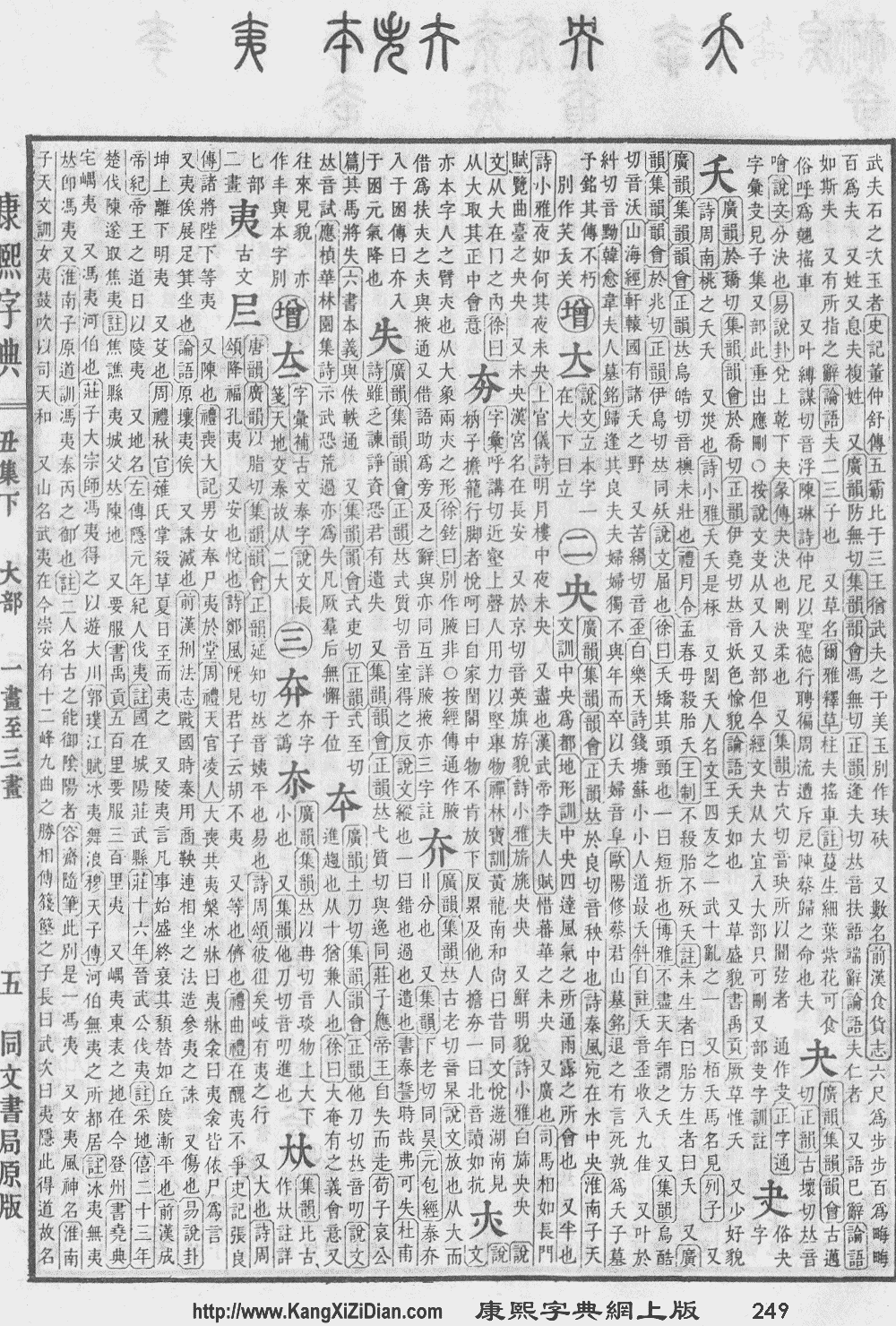
- Kangxi Dictionary: page 249, character 9
- Dai Kanwa Jiten: character 5844
- Dae Jaweon: page 508, character 7
- Hanyu Da Zidian (first edition): volume 1, page 525, character 1
- Unihan data for U+5931
Chinese
| simp. and trad. |
失 | |
|---|---|---|
Glyph origin
| Historical forms of the character 失 | ||
|---|---|---|
| Shang | Shuowen Jiezi (compiled in Han) | Liushutong (compiled in Ming) |
| Oracle bone script | Small seal script | Transcribed ancient scripts |
 |
 |
 |
Characters in the same phonetic series (失) (Zhengzhang, 2003)
Ideogrammic compound (會意/会意) : 手 + 丿 – something (丿) falling from a hand (手).
Alternatively, a pictogram (象形) depicting a footprint of someone that has fallen surrounded by drops of blood (Ji Xusheng, 2004).
Etymology
Cognate with 佚 (OC *liɡ, “to escape; to lose”), 逸 (OC *lid, “to escape; at ease”) (Schuessler, 2007).
Probably Sino-Tibetan; compare Cogtse Situ [Term?] (ka-ʃlə̂k, “to fall (from hand)”), Japhug ɕlɯɣ (“to fall; to slip”) (Zhang, Jacques, and Lai, 2019).
Note also Thai เล็ดลอด (lét-lɔ̂ɔt, “to sneak; to escape by stealth”) (Manomaivibool, 1975).
Pronunciation 1
Definitions
失
Compounds
- 不失 (bùshī)
- 不失為/不失为 (bùshīwéi)
- 不計得失/不计得失
- 丟失/丢失 (diūshī)
- 五失本
- 亡失
- 亡鄉失土/亡乡失土
- 亡魂失魄
- 交臂失之 (jiāobìshīzhī)
- 人財兩失/人财两失
- 佚失 (yìshī)
- 佹得佹失
- 供需失衡
- 供需失調/供需失调
- 倉皇失措/仓皇失措
- 偏失
- 冒冒失失 (màomàoshīshī)
- 冒失 (màoshī)
- 冒失鬼
- 利害得失
- 利弊得失
- 前失 (qiánshī)
- 劉備失箸/刘备失箸
- 勿失良機/勿失良机
- 北叟失馬/北叟失马
- 千慮一失/千虑一失 (qiānlǜyīshī)
- 啞然失笑/哑然失笑
- 啞然失色/哑然失色
- 喪失/丧失 (sàngshī)
- 因小失大 (yīnxiǎoshīdà)
- 坐失 (zuòshī)
- 坐失良機/坐失良机
- 報失/报失 (bàoshī)
- 塞翁失馬/塞翁失马 (sàiwēngshīmǎ)
- 大失人望
- 大失所望 (dàshīsuǒwàng)
- 大意失荊州/大意失荆州 (dàyì shī Jīngzhōu)
- 大為失望/大为失望
- 大驚失色/大惊失色
- 失主 (shīzhǔ)
- 失之交臂 (shīzhījiāobì)
- 失事 (shīshì)
- 失依兒童/失依儿童
- 失信 (shīxìn)
- 失修 (shīxiū)
- 失候
- 失傳/失传 (shīchuán)
- 失儀/失仪
- 失入 (shīrù)
- 失出 (shīchū)
- 失利 (shīlì)
- 失勢/失势 (shīshì)
- 失卻/失却 (shīquè)
- 失去 (shīqù)
- 失口 (shīkǒu)
- 失和 (shīhé)
- 失單/失单
- 失圖/失图
- 失地 (shīdì)
- 失學/失学 (shīxué)
- 失守 (shīshǒu)
- 失宜 (shīyí)
- 失容
- 失密
- 失實/失实 (shīshí)
- 失察 (shīchá)
- 失寵/失宠 (shīchǒng)
- 失對/失对
- 失常 (shīcháng)
- 失張倒怪/失张倒怪
- 失張冒勢/失张冒势
- 失張失志/失张失志
- 失張失智/失张失智
- 失律
- 失德 (shīdé)
- 失心 (shīxīn)
- 失心兒/失心儿
- 失心風/失心风
- 失志 (shīzhì)
- 失怙 (shīhù)
- 失恃 (shīshì)
- 失意 (shīyì)
- 失態/失态 (shītài)
- 失慎 (shīshèn)
- 失憶症/失忆症 (shīyìzhèng)
- 失戀/失恋 (shīliàn)
- 失所 (shīsuǒ)
- 失手 (shīshǒu)
- 失挫
- 失措 (shīcuò)
- 失控 (shīkòng)
- 失掉 (shīdiào)
- 失據/失据
- 失支脫節/失支脱节
- 失效 (shīxiào)
- 失敗/失败 (shībài)
- 失教兒童/失教儿童
- 失散 (shīsàn)
- 失敬 (shījìng)
- 失明 (shīmíng)
- 失時/失时 (shīshí)
- 失曉/失晓
- 失望 (shīwàng)
- 失期
- 失本
- 失格 (shīgé)
- 失業/失业 (shīyè)
- 失業人口/失业人口
- 失業保險/失业保险
- 失業救助/失业救助
- 失業救濟/失业救济
- 失業率/失业率 (shīyèlǜ)
- 失機/失机
- 失檢/失检 (shījiǎn)
- 失權/失权
- 失歡/失欢 (shīhuān)
- 失氣/失气
- 失水 (shīshuǐ)
- 失滅/失灭
- 失火 (shīhuǒ)
- 失物 (shīwù)
- 失獨/失独 (shīdú)
- 失當/失当 (shīdàng)
- 失盜/失盗 (shīdào)
- 失真 (shīzhēn)
- 失眠 (shīmián)
- 失瞻
- 失神 (shīshén)
- 失神落魄
- 失禁 (shījìn)
- 失禮/失礼 (shīlǐ)
- 失竊/失窃 (shīqiè)
- 失笑 (shīxiào)
- 失策 (shīcè)
- 失節/失节 (shījié)
- 失算 (shīsuàn)
- 失約/失约 (shīyuē)
- 失義/失义
- 失而復得/失而复得 (shī'érfùdé)
- 失聲/失声 (shīshēng)
- 失聰/失聪 (shīcōng)
- 失職/失职 (shīzhí)
- 失脫/失脱
- 失腳/失脚 (shījiǎo)
- 失色 (shīsè)
- 失著
- 失落 (shīluò)
- 失血 (shīxuè)
- 失街亭
- 失衡 (shīhéng)
- 失言 (shīyán)
- 失計/失计
- 失語/失语 (shīyǔ)
- 失誤/失误 (shīwù)
- 失語症/失语症 (shīyǔzhèng)
- 失調/失调
- 失諸交臂/失诸交臂
- 失賊/失贼
- 失足 (shīzú)
- 失路 (shīlù)
- 失蹤/失踪 (shīzōng)
- 失身 (shīshēn)
- 失身分
- 失迎 (shīyíng)
- 失迷 (shīmí)
- 失速 (shīsù)
- 失道 (shīdào)
- 失道寡助 (shīdàoguǎzhù)
- 失重 (shīzhòng)
- 失錯/失错 (shīcuò)
- 失閃/失闪 (shīshǎn)
- 失陪 (shīpéi)
- 失陷 (shīxiàn)
- 失靈/失灵 (shīlíng)
- 失音 (shīyīn)
- 失風/失风
- 失飢傷飽/失饥伤饱
- 失飪/失饪
- 失馬亡羊/失马亡羊
- 失驚/失惊 (shījīng)
- 失驚打怪/失惊打怪
- 失魂喪魄/失魂丧魄
- 失魂落魄 (shīhúnluòpò)
- 失鹿
- 失黏
- 如有所失
- 婚姻失調/婚姻失调
- 少親失眷/少亲失眷
- 少調失教/少调失教
- 少魂失魄
- 尿失禁 (niàoshījìn)
- 差失 (chāshī)
- 年久失修 (niánjiǔshīxiū)
- 廢時失事/废时失事
- 廢時失業/废时失业
- 廢賢失政/废贤失政
- 引喻失義/引喻失义 (yǐnyùshīyì)
- 張皇失措/张皇失措
- 彷徨失措
- 得不償失/得不偿失 (débùchángshī)
- 得不補失/得不补失
- 得不酬失
- 得失 (déshī)
- 得失在人
- 得失成敗/得失成败
- 得失榮枯/得失荣枯
- 得失相半
- 得而復失/得而复失 (dé'érfùshī)
- 徬徨失措
- 心神喪失/心神丧失
- 忘恩失義/忘恩失义
- 忘餐失寢/忘餐失寝
- 怛然失色
- 患得患失 (huàndéhuànshī)
- 悼心失圖/悼心失图
- 惜指失掌
- 惘然如失
- 悵然自失/怅然自失
- 惘然若失 (wǎngránruòshī)
- 悵然若失/怅然若失 (chàngránruòshī)
- 惘若有失
- 慞惶失次
- 成敗得失/成败得失
- 手足失措
- 打個前失/打个前失
- 打前失
- 打失驚/打失惊
- 拔十失五
- 拋家失業/抛家失业
- 掛失/挂失
- 掛失止付/挂失止付
- 掩面失色
- 援鱉失龜/援鳖失龟
- 損失/损失 (sǔnshī)
- 播越失據/播越失据
- 故失
- 敗名失德/败名失德
- 散失 (sànshī)
- 是非得失
- 時不可失/时不可失 (shí bùkě shī)
- 有失體統/有失体统
- 有得有失
- 機不可失/机不可失 (jībùkěshī)
- 水土流失 (shuǐtǔ liúshī)
- 流失 (liúshī)
- 流離失所/流离失所 (liúlíshīsuǒ)
- 消失 (xiāoshī)
- 漏失
- 火災損失/火灾损失
- 為小失大/为小失大
- 營養失調/营养失调
- 爽然自失
- 爽然若失 (shuǎngránruòshī)
- 琴瑟失調/琴瑟失调
- 用舍失宜
- 疏失 (shūshī)
- 痛哭失聲/痛哭失声
- 痛失知音
- 痛失英才
- 百不一失
- 百不失一
- 百無一失/百无一失 (bǎiwúyīshī)
- 盡失/尽失
- 相失 (xiāngshī)
- 相形失色
- 相顧失色/相顾失色
- 眼張失落/眼张失落
- 眼張失道/眼张失道
- 破業失產/破业失产
- 社會失調/社会失调
- 神龍失勢/神龙失势 (shénlóng shīshì)
- 萬不可失/万不可失
- 萬不失一/万不失一
- 萬無一失/万无一失 (wànwúyīshī)
- 萬無失一/万无失一
- 窮不失義/穷不失义
- 窮大失居/穷大失居
- 窮猿失木/穷猿失木
- 節節失利/节节失利
- 緣名失實/缘名失实
- 缺失 (quēshī)
- 聞雷失箸/闻雷失箸
- 臨期失誤/临期失误
- 自失
- 舉止失措/举止失措
- 芒然自失
- 花容失色
- 若有所失
- 荒失
- 茫然自失 (mángránzìshī)
- 茫然若失 (mángránruòshī)
- 著著失敗/著著失败
- 虧失/亏失
- 言多失實/言多失实
- 言多必失 (yánduōbìshī)
- 言多語失/言多语失
- 註失/注失
- 謹毛失貌/谨毛失貌
- 貪小失大/贪小失大
- 走失 (zǒushī)
- 輕重失宜/轻重失宜
- 迷失 (míshī)
- 迷失路途
- 迷蹤失路/迷踪失路
- 逞己失眾/逞己失众
- 進退失據/进退失据 (jìntuìshījù)
- 過失/过失 (guòshī)
- 過失傷害/过失伤害
- 過失殺人/过失杀人 (guòshī shārén)
- 過失致死/过失致死
- 遺失/遗失 (yíshī)
- 遵而不失
- 重大過失/重大过失
- 錯失/错失 (cuòshī)
- 錯失良機/错失良机
- 閃失/闪失 (shǎnshī)
- 闕失/阙失
- 陰陵失道/阴陵失道
- 雞蟲得失/鸡虫得失
- 面皮失色
- 頓失所依/顿失所依
- 頻頻失利/频频失利
- 顧小失大/顾小失大
- 顧此失彼/顾此失彼 (gùcǐshībǐ)
- 馬失前蹄/马失前蹄 (mǎshīqiántí)
- 驚惶失措/惊惶失措 (jīnghuáng shīcuò)
- 驚慌失措/惊慌失措 (jīnghuāngshīcuò)
- 驚慌失色/惊慌失色
- 黯然失色 (ànránshīsè)
Pronunciation 2
Japanese
Korean
Compounds
- 실직 (失職, siljik, “losing a job; unemployment”)
Vietnamese
This article is issued from Wiktionary. The text is licensed under Creative Commons - Attribution - Sharealike. Additional terms may apply for the media files.