針
See also: 针
| ||||||||
Translingual
Han character
針 (Kangxi radical 167, 金+2, 10 strokes, cangjie input 金十 (CJ), four-corner 84100, composition ⿰釒十)
References
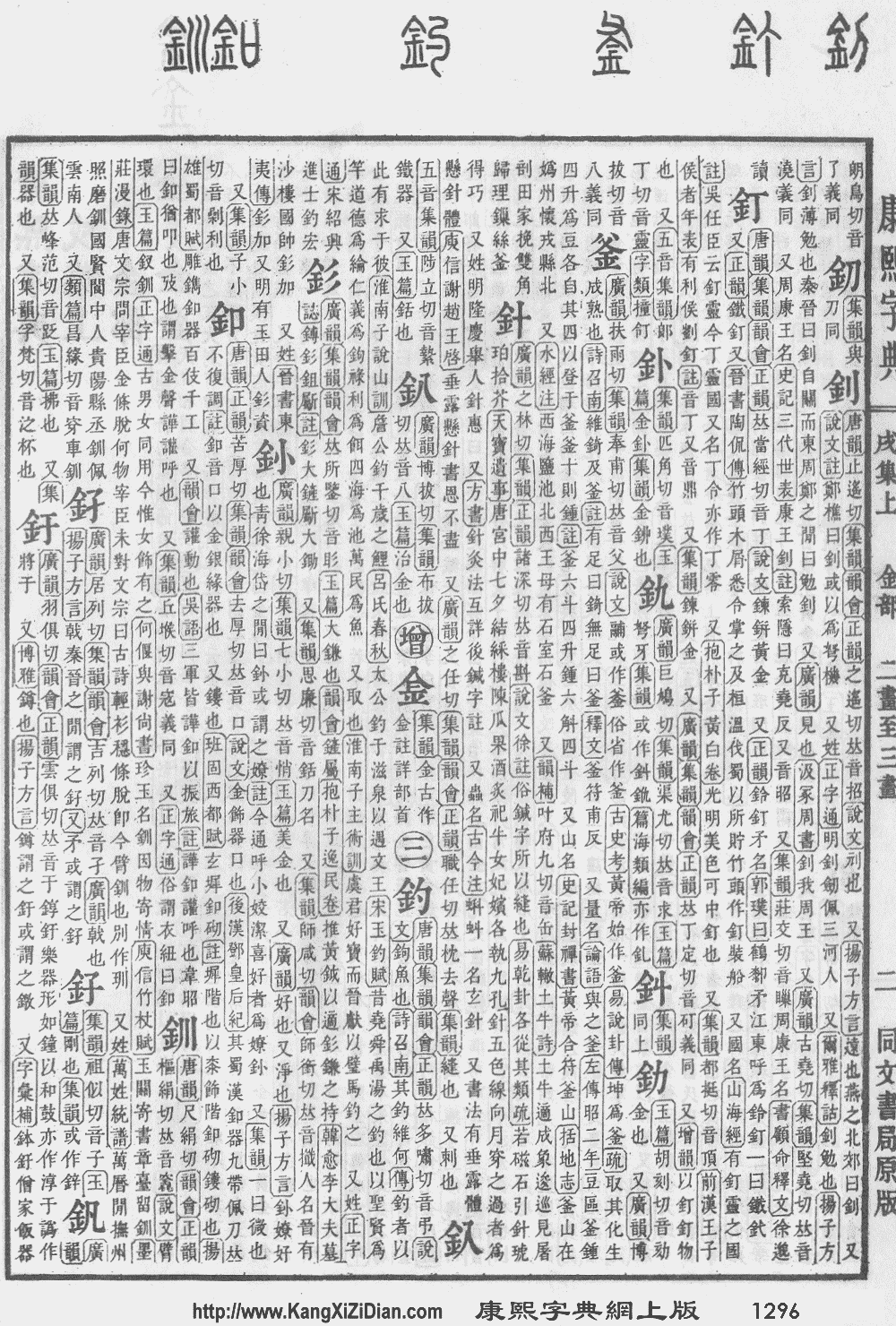
- Kangxi Dictionary: page 1296, character 9
- Dai Kanwa Jiten: character 40165
- Dae Jaweon: page 1799, character 12
- Hanyu Da Zidian (first edition): volume 6, page 4168, character 5
- Unihan data for U+91DD
Chinese
| trad. | 針/鍼 | |
|---|---|---|
| simp. | 针 | |
Glyph origin
Characters in the same phonetic series (十) (Zhengzhang, 2003)
Phono-semantic compound (形聲/形声, OC *kjum, *kjums) : semantic 釒/钅 (“metal”) + phonetic 十 (OC *ɡjub).
Etymology
From Proto-Sino-Tibetan *k-ra(p/m) (“needle”); compare Tibetan ཁབ (khab), Burmese အပ် (ap) (STEDT; Hill, 2017).
Pronunciation
Definitions
針
- (countable) needle (Classifier: 根 m; 枚 m; 枝 c mn; 眼 c)
- alt. forms: 箴 (zhēn)
- needle-like object; pin; brooch; hand (of a clock or watch); tack
- injection
- acupuncture
- to poke; to sting
- (Cantonese) to pick on; to aim at someone personally
- (Cantonese) spy; informer; probe (Classifier: 條/条 c)
- Classifier for the number of injections.
- Classifier for the number of stitches.
Compounds
- 一針見血/一针见血 (yīzhēnjiànxiě)
- 丟巧針/丢巧针
- 九針/九针
- 亂針繡/乱针绣
- 倒扣針兒/倒扣针儿
- 做針線/做针线
- 刀割針扎/刀割针扎
- 分針/分针 (fēnzhēn)
- 別針/别针 (biézhēn)
- 唱針/唱针 (chàngzhēn)
- 啄針兒/啄针儿
- 嗎啡針/吗啡针
- 大政方針/大政方针
- 大海撈針/大海捞针 (dàhǎilāozhēn)
- 大頭針/大头针 (dàtóuzhēn)
- 太乙神針/太乙神针
- 如坐針氈/如坐针毡 (rúzuòzhēnzhān)
- 對針/对针
- 小針美容/小针美容
- 平針縫/平针缝
- 引線穿針/引线穿针
- 強心針/强心针 (qiángxīnzhēn)
- 張飛穿針/张飞穿针
- 弼針/弼针
- 彈針/弹针
- 懸針/悬针
- 懸針垂露/悬针垂露
- 扎針/扎针 (zházhēn)
- 打針/打针 (dǎzhēn)
- 抵針/抵针
- 披針形葉/披针形叶
- 拈針指/拈针指
- 指北針/指北针 (zhǐběizhēn)
- 指南針/指南针 (zhǐnánzhēn)
- 指針/指针 (zhǐzhēn)
- 捻針/捻针
- 插針都插唔入/插针都插唔入
- 搗針/捣针
- 搖針/摇针
- 撞針/撞针 (zhuàngzhēn)
- 擺針/摆针
- 敹一針/敹一针
- 方針/方针 (fāngzhēn)
- 時針/时针 (shízhēn)
- 暈針/晕针 (yūnzhēn)
- 有針線/有针线
- 東海撈針/东海捞针 (dōnghǎilāozhēn)
- 枝針/枝针
- 松針/松针 (sōngzhēn)
- 棘針/棘针
- 棒針/棒针 (bàngzhēn)
- 棘針科/棘针科
- 棒針衫/棒针衫 (bàngzhēnshān)
- 棘針門/棘针门
- 步線行針/步线行针
- 毫針/毫针
- 水底撈針/水底捞针 (shuǐdǐlāozhēn)
- 海底撈針/海底捞针 (hǎidǐlāozhēn)
- 燔針/燔针
- 短針/短针 (duǎnzhēn)
- 石針/石针
- 磁針/磁针 (cízhēn)
- 磨杵成針/磨杵成针
- 磨針溪/磨针溪
- 磨鐵成針/磨铁成针
- 秒針/秒针 (miǎozhēn)
- 秧針/秧针
- 穿針引線/穿针引线 (chuānzhēnyǐnxiàn)
- 細針密縷/细针密缕
- 絞包針/绞包针
- 綿裡針/绵里针
- 繃針/绷针
- 縫針補線/缝针补线
- 繡花針/绣花针 (xiùhuāzhēn)
- 繡針/绣针
- 羅盤針/罗盘针
- 耳針/耳针
- 胸針/胸针 (xiōngzhēn)
- 花兒針/花儿针
- 茅針/茅针 (máozhēn)
- 藏針縫/藏针缝
- 蛇口蜂針/蛇口蜂针
- 蠻針瞎灸/蛮针瞎灸 (mánzhēnxiājiǔ)
- 行針步線/行针步线
- 補針/补针
- 見縫插針/见缝插针 (jiànfèngchāzhēn)
- 討針線/讨针线
- 迴紋針/回纹针 (huíwénzhēn)
- 退針/退针
- 避雷針/避雷针 (bìléizhēn)
- 金針/金针 (jīnzhēn)
- 金針度人/金针度人
- 金針花/金针花
- 金針菇/金针菇 (jīnzhēngū)
- 金針菜/金针菜 (jīnzhēncài)
- 針劑/针剂 (zhēnjì)
- 針墊/针垫
- 針孔/针孔 (zhēnkǒng)
- 針孔現象/针孔现象
- 針對/针对 (zhēnduì)
- 針尖兒/针尖儿 (zhēnjiānr)
- 針工/针工
- 針形葉/针形叶
- 針指/针指 (zhēnzhǐ)
- 針挑刀挖/针挑刀挖
- 釘書針/钉书针
- 針氈/针毡
- 針法/针法 (zhēnfǎ)
- 針灸/针灸
- 針灸銅人/针灸铜人 (zhēnjiǔ tóng rén)
- 針灸麻醉/针灸麻醉
- 針眼/针眼
- 針砭/针砭 (zhēnbiān)
- 針神/针神
- 針筆/针笔
- 針筒/针筒 (zhēntǒng)
- 針筆匠/针笔匠
- 針箍/针箍
- 針線/针线 (zhēnxiàn)
- 針線娘/针线娘
- 針線扁/针线扁
- 針線盒/针线盒
- 針織/针织 (zhēnzhī)
- 針織品/针织品 (zhēnzhīpǐn)
- 針腳/针脚 (zhēnjiǎo)
- 針芥相投/针芥相投
- 針葉林/针叶林 (zhēnyèlín)
- 針葉樹/针叶树 (zhēnyèshù)
- 針針見血/针针见血
- 針鋩/针铓
- 針鋒/针锋 (zhēnfēng)
- 針鋒相對/针锋相对 (zhēnfēngxiāngduì)
- 針鋒相投/针锋相投
- 針關/针关
- 針頭/针头 (zhēntóu)
- 針頭線腦/针头线脑 (zhēntóuxiànnǎo)
- 針餌莫減/针饵莫减
- 針黹/针黹 (zhēnzhǐ)
- 針黹紡績/针黹纺绩
- 針鼹/针鼹
- 針鼻兒/针鼻儿 (zhēnbír)
- 鉤針/钩针 (gōuzhēn)
- 錶針/表针 (biǎozhēn)
- 鍉針/𫔂针
- 鐵杵磨針/铁杵磨针
- 長針/长针 (chángzhēn)
- 電針/电针
- 電針麻醉/电针麻醉
- 頂針/顶针 (dǐngzhēn)
- 頂針捱住/顶针捱住
- 頂門針/顶门针
- 預防針/预防针 (yùfángzhēn)
- 飛針走線/飞针走线
- 鬼針草/鬼针草
- 鹽水針/盐水针
- 齧蘗吞針/啮蘗吞针
Descendants
Others:
References
- “針”, in 漢語多功能字庫 (Multi-function Chinese Character Database), 香港中文大學 (the Chinese University of Hong Kong), 2014–
Japanese
Readings
Etymology 1
| Kanji in this term |
|---|
| 針 |
| はり Grade: 6 |
| kun’yomi |
| Alternative spellings |
|---|
| 鉤 鈎 |
⟨pari⟩ → /ɸaɾi/ → /haɾi/
From Old Japanese.
Noun
針 • (hari)
- a needle used in sewing or other forms of embroidery
- any slender, pointed object resembling or similar in use to a needle:
- a phonograph needle (in record players)
- a needle used in medical injections
- a knitting needle
- a stinger (in insects)
- a staple (wire fastener)
- 2009, “わたしの恋はホッチキス [My Love is a Stapler]”, in Emi Inaba (lyrics), Miki Fujisue (music), Hōkago Tea Time, performed by Hōkago Tea Time:
- (botany) a thorn
- (fishing) a hook, fishhook
- (by extension) This term needs a translation to English. Please help out and add a translation, then remove the text
{{rfdef}}. - a hand or pointer (in clocks, watches, meters, compasses, etc.)
- This term needs a translation to English. Please help out and add a translation, then remove the text
{{rfdef}}. - embroidery, needlework
- (figurative) malice
Derived terms
- お針 (ohari)
- 鍼 (hari, “acupuncture needle”)
- 針医 (harī)
- 針魚 (hario)
- 針金 (harigane)
- 針子 (hariko)
- 針刺し (harisashi)
- 針仕事 (hari shigoto)
- 針千本 (harisenbon, “porcupinefish”)
- 針鼠 (harinezumi)
- 針の穴 (hari no ana)
- 針の筵 (hari no mushiro)
- 針坊主 (hari bōzu)
- 針孔 (harimedo)
- 針土竜 (harimogura)
- 針魚 (hariyo)
- 編み針 (amibari)
- 網結針 (amisukibari)
- 置き針 (okibari)
- 返し針 (kaeshibari)
- 鉤針 (kagibari)
- 隠し針 (kakushibari)
- 掛け針 (kakebari)
- 蚊針 (kabari)
- 革針 (kawabari), 皮針 (kawabari)
- 擬餌針 (gijibari)
- 絹針 (kinubari)
- 絎針 (kukebari)
- 毛針 (kebari)
- 小町針 (komachibari)
- 仕付け針 (shitsukebari)
- 千人針 (senninbari)
- 空針 (sorabari)
- 畳針 (tatamibari)
- 注射針 (chūshabari)
- 釣り針 (tsuribari)
- 綴じ針 (tojibari)
- 縫い針 (nuihari), 縫い針 (nuibari)
- 刃針 (habari)
- 平針 (hirabari)
- 棒針 (bōbari)
- 帽子針 (bōshibari)
- 待ち針 (machibari)
- メリケン針 (merikenbari)
- 木綿針 (momenbari)
Idioms
- 針を含む (hari o fukumu)
Proverbs
- 針の先で突いた程 (hari no saki de tsuita hodo)
- 針ほどのことを棒ほどに言う (hari hodo no koto o bō hodo ni iu)
- 針を蔵に積みても溜らぬ (hari o kura nitsumite mo tamaranu)
- 針を立つる土地無し (hari o tatsuru tochi nashi)
- 針を以て地を刺す (hari o motte chi o sasu)
Derived terms
Idioms
- 頂門の一針 (chōmon no isshin)
Korean
Etymology 1
From Middle Chinese 針 (MC tsyim).
| Historical Readings | ||
|---|---|---|
| Dongguk Jeongun Reading | ||
| Dongguk Jeongun, 1448 | 짐 (Yale: cìm) | |
| Middle Korean | ||
| Text | Eumhun | |
| Gloss (hun) | Reading | |
| Hunmong Jahoe, 1527 | 바ᄂᆞᆯ〮 (Yale: pànól) | 침 (Yale: chìm) |
Pronunciation
- (SK Standard/Seoul) IPA(key): [t͡ɕʰim]
- Phonetic hangul: [침]
Compounds
Compounds
- 침단 (針端, chimdan)
- 침로 (針路, chimno)
- 침반 (針盤, chimban)
- 침봉 (針峯, chimbong)
- 침상 (針狀, chimsang)
- 침압 (針壓, chimap)
- 침엽 (針葉, chimyeop)
- 침음 (針音, chimeum)
- 침정 (針晶, chimjeong)
- 침통 (針筒, chimtong)
- 침판 (針板, chimpan)
- 침포 (針布, chimpo)
- 침활 (針闊, chimhwal)
- 검침 (檢針, geomchim)
- 격침 (擊針, gyeokchim)
- 경침 (莖針, gyeongchim)
- 곡침 (曲針, gokchim)
- 골침 (骨針, golchim)
- 구침 (晷針, guchim)
- 구침 (鉤針, guchim)
- 극침 (棘針, geukchim)
- 금침 (金針, geumchim)
- 단침 (短針, danchim)
- 대침 (大針, daechim)
- 독침 (毒針, dokchim)
- 망침 (網針, mangchim)
- 목침 (木針, mokchim)
- 방침 (方針, bangchim)
- 변침 (變針, byeonchim)
- 봉침 (蜂針, bongchim)
- 분침 (分針, bunchim)
- 방침 (方針, bangchim)
- 상침 (上針, sangchim)
- 선침 (選針, seonchim)
- 세침 (細針, sechim)
- 소침 (小針, sochim)
- 송침 (松針, songchim)
- 수침 (繡針, suchim)
- 시침 (時針, sichim)
- 안침 (按針, anchim)
- 엽침 (葉針, yeopchim)
- 영침 (影針, yeongchim)
- 유침 (留針, yuchim)
- 자침 (刺針, jachim)
- 자침 (磁針, jachim)
- 장침 (長針, jangchim)
- 정침 (定針, jeongchim)
- 조침 (釣針, jochim)
- 죽침 (竹針, jukchim)
- 지침 (指針, jichim)
- 철침 (鐵針, cheolchim)
- 초침 (秒針, chochim)
- 촉침 (觸針, chokchim)
- 탐침 (探針, tamchim)
- 현침 (懸針, hyeonchim)
- 침엽수 (針葉樹, chimyeopsu)
- 나침반 (羅針盤, nachimban)
- 나침의 (羅針儀, nachimui)
- 지남침 (指南針, jinamchim)
- 피뢰침 (避雷針, piroechim)
Etymology 2
From Middle Chinese 針 (MC tsyimH).
| Historical Readings | ||
|---|---|---|
| Dongguk Jeongun Reading | ||
| Dongguk Jeongun, 1448 | 짐〮 (Yale: cím) | |
Pronunciation
- (SK Standard/Seoul) IPA(key): [t͡ɕʰi(ː)m]
- Phonetic hangul: [침(ː)]
- Though still prescribed in Standard Korean, most speakers in both Koreas no longer distinguish vowel length.
Compounds
Okinawan
Derived terms
- 鍼 (hāi, “acupuncture needle”)
- 針刺しー (hāisashī)
- 針ぬ目 (hāi nu mī)
- 針箱 (hāibaku)
- 針魚 (hāīyū)
- 括い針 (kukuibāi)
- 唐針 (karahāi, “compass”)
References
Further reading
- “はーい【針・鍼】” in JLect - Japonic Languages and Dialects Database Dictionary, 2019.
Old Japanese
Noun
針 (pari) (kana はり)
- a needle used in embroidery
- c. 759, Man'yōshū, (book 12, poem 2982):
- 針者有杼妹之無者將著哉跡吾乎令煩絕紐之緖
- pari pa aredo2 imo si nake1reba tuke2me2 ya to2 ware wo nayamasi tayuru pi1mo no2 wo
- (please add an English translation of this quotation)
- c. 759, Man'yōshū, (book 18, poem 4128):
- 久佐麻久良多比乃於伎奈等於母保之天波里曾多麻敞流奴波牟物能毛賀
- kusamakura tabi1 no oki1na to2 omoposite pari so2 tamape1ru nupamu mono2 moga
- (please add an English translation of this quotation)
Etymology 2
(This etymology is missing or incomplete. Please add to it, or discuss it at the Etymology scriptorium.)
Noun
針 (paru) (kana はる)
- (regional, Central Eastern Old Japanese) a needle used in embroidery
- c. 759, Man'yōshū, (book 20, poem 4420):
- 久佐麻久良多妣乃麻流禰乃比毛多要婆安我弖等都氣呂許禮乃波流母志
- kusamakura tabi1 no2 marune no2 pi1mo tayeba aga te to2 tuke2ro2 ko2re no2 paru mosi
- (please add an English translation of this quotation)
Vietnamese
This article is issued from Wiktionary. The text is licensed under Creative Commons - Attribution - Sharealike. Additional terms may apply for the media files.