笛
| ||||||||
Translingual
Han character
笛 (Kangxi radical 118, 竹+5, 11 strokes, cangjie input 竹中田 (HLW), four-corner 88603, composition ⿰𥫗由)
References
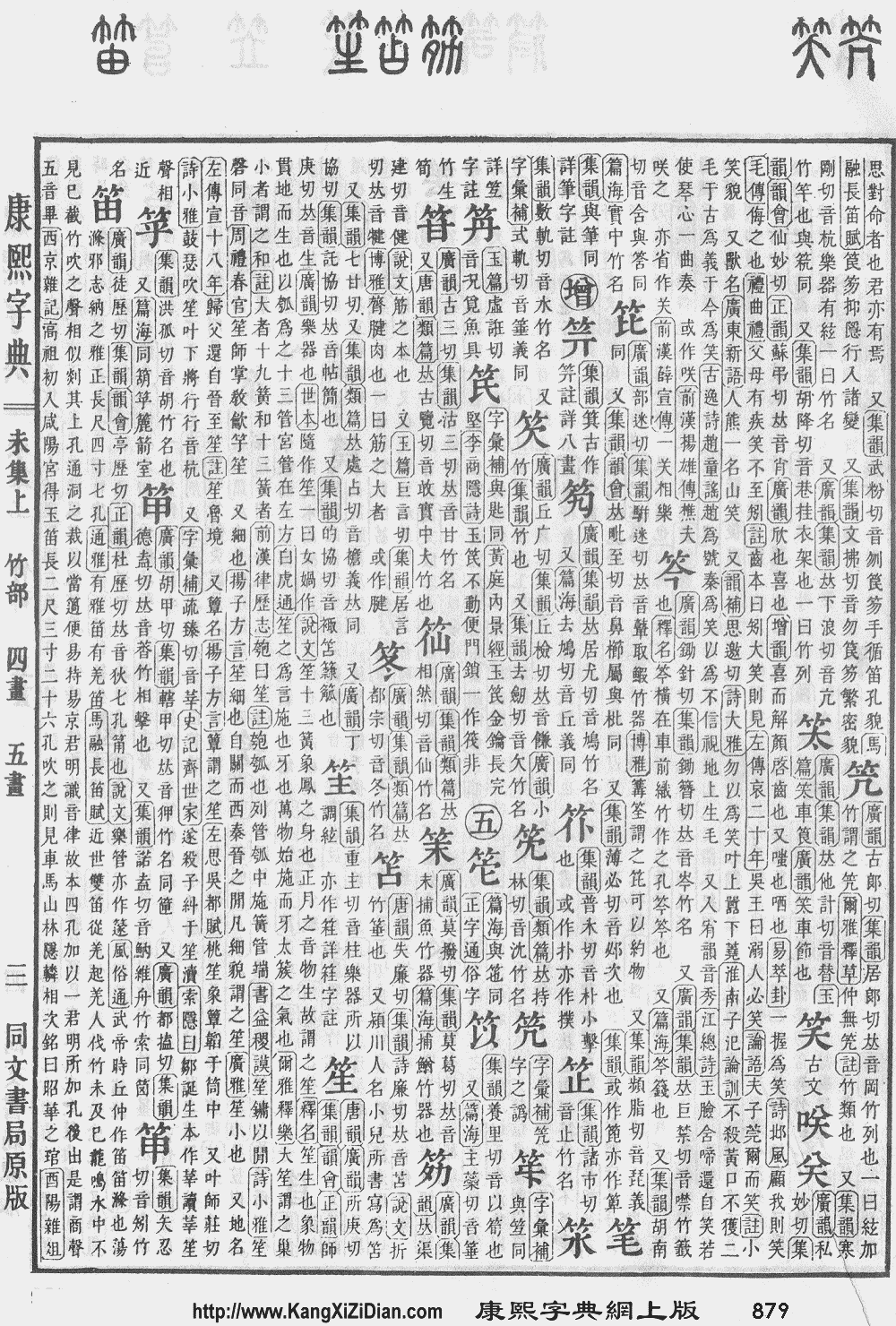
- Kangxi Dictionary: page 879, character 33
- Dai Kanwa Jiten: character 25917
- Dae Jaweon: page 1307, character 23
- Hanyu Da Zidian (first edition): volume 5, page 2955, character 1
- Unihan data for U+7B1B
Chinese
Lua error in Module:utilities at line 142: attempt to perform arithmetic on local 'h' (a nil value)
Glyph origin
| Old Chinese | |
|---|---|
| 袖 | *ljɯwɢs |
| 岫 | *ljɯwɢs |
| 牰 | *ljɯwɢs, *lɯwɢs |
| 抽 | *l̥ʰɯw |
| 妯 | *l̥ʰɯw, *l'ɯwɢ |
| 紬 | *l'ɯw |
| 怞 | *l'ɯw |
| 鮋 | *l'ɯw, *ɦljɯw, *lɯw |
| 菗 | *rlɯw |
| 宙 | *l'ɯwɢs |
| 胄 | *l'ɯwɢs |
| 冑 | *l'ɯwɢs |
| 伷 | *l'ɯwɢs |
| 駎 | *l'ɯwɢs |
| 油 | *lɯw, *lɯwɢs |
| 由 | *lɯw |
| 蚰 | *lɯw |
| 秞 | *lɯw |
| 邮 | *lɯw |
| 釉 | *lɯwɢs |
| 柚 | *lɯwɢs, *l'ɯwɢ |
| 鼬 | *lɯwɢs |
| 苖 | *l'ɯːwɢ, *l̥ʰɯwɢ |
| 笛 | *l'ɯːwɢ |
| 迪 | *l'ɯːwɢ |
| 頔 | *l'ɯːwɢ |
| 軸 | *l'ɯwɢ |
| 舳 | *l'ɯwɢ |
Phono-semantic compound (形聲/形声, OC *l'ɯːwɢ) : semantic 竹 (“bamboo”) + phonetic 由 (OC *lɯw).
Etymology
Cognate with 籥 (OC *lowɢ, “bamboo flute”) (Baxter, 1992).
Pronunciation
Synonyms
Lua error in Module:utilities at line 142: attempt to perform arithmetic on local 'h' (a nil value) Lua error in Module:utilities at line 142: attempt to perform arithmetic on local 'h' (a nil value)
Compounds
- 一笛
- 叉手笛
- 口笛 (kǒudí)
- 向笛
- 吹笛
- 品笛
- 品簫弄笛/品箫弄笛
- 土笛
- 寒笛
- 山陽笛/山阳笛
- 崑笛/昆笛 (kūndí)
- 怨笛
- 悶笛/闷笛 (mēndí)
- 悲鄰笛/悲邻笛
- 排笛 (páidí)
- 擫笛/𢬍笛
- 新笛 (xīndí)
- 曲笛 (qǔdí)
- 朗笛
- 村笛
- 柯亭笛
- 柳笛 (liǔdí)
- 柯笛
- 桓伊笛
- 桓郎笛
- 梆笛 (bāngdí)
- 梅花笛
- 棚車鼓笛/棚车鼓笛
- 樵笛
- 橫笛/横笛 (héngdí)
- 武溪笛
- 汽笛 (qìdí)
- 海笛 (hǎidí)
- 漁笛/渔笛
- 潘笛 (pāndí)
- 牛笛
- 牛背笛
- 牧神之笛
- 牧童笛 (mùtóngdí)
- 牧笛 (mùdí)
- 玉笛
- 直笛 (zhídí)
- 短笛 (duǎndí)
- 竹笛
- 笛仔
- 笛子 (dízi)
- 笛工
- 笛床
- 笛律
- 笛材
- 笛步
- 笛竹
- 笳笛
- 笛簟
- 笙簫管笛/笙箫管笛
- 笛聲/笛声
- 笛膜
- 笛韻/笛韵
- 篠笛/筱笛
- 簫笛/箫笛
- 羌笛 (qiāngdí)
- 義嘴笛/义嘴笛
- 義觜笛/义觜笛
- 聞笛/闻笛
- 胡笛
- 腰笛
- 草笛
- 蘆笛/芦笛
- 蘄笛/蕲笛
- 調笛/调笛
- 警笛 (jǐngdí)
- 豎笛/竖笛 (shùdí)
- 邀笛步
- 鄰人笛/邻人笛
- 鄰家吹笛/邻家吹笛
- 鄰家笛/邻家笛
- 鄰笛/邻笛
- 鄰舍笛/邻舍笛
- 鐵笛/铁笛
- 長笛/长笛 (chángdí)
- 長笛鄰家/长笛邻家
- 陶笛 (táodí)
- 隴笛/陇笛
- 雅笛
- 霜笛
- 風笛/风笛 (fēngdí)
- 骨笛 (gǔdí)
- 魔笛
- 魚笛/鱼笛
- 鳴笛/鸣笛 (míngdí)
- 鳳笛/凤笛
- 鶴骨笛/鹤骨笛
- 鷹笛/鹰笛 (yīngdí)
- 鼓笛
- 鼓笛曲
- 鼻笛
- 龍笛/龙笛
Japanese
Readings
Lua error in Module:utilities at line 142: attempt to perform arithmetic on local 'h' (a nil value)
Etymology 1
| Kanji in this term |
|---|
| 笛 |
| ふえ Grade: 3 |
| kun’yomi |

⟨puye⟩ → */puje/ → /ɸue/ → /fue/
From Old Japanese, first cited to the Nihon Shoki of 720 CE.[1]
Noun
笛 • (fue)
Derived terms
Idioms
- 笛吹けども踊らず (fue fukedomo odorazu)
Etymology 2
| Kanji in this term |
|---|
| 笛 |
| てき Grade: 3 |
| goon |
From Middle Chinese 笛 (MC dek). The 漢音 (kan'on, literally “Han sound”), so likely a later borrowing.
First cited to a text from the 1400s.[1] This reading appears to have fallen out of use.
Derived terms
Noun
笛 • (teki)
Etymology 3
| Kanji in this term |
|---|
| 笛 |
| ちゃく Grade: 3 |
| kan’yōon |
From a corruption of Middle Chinese 笛 (MC dek).
First cited to a text from 1241.[1]
Korean
Hanja
笛 • (jeok) (hangeul 적, revised jeok, McCune–Reischauer chŏk, Yale cek)
- This term needs a translation to English. Please help out and add a translation, then remove the text
{{rfdef}}.