殿
| ||||||||
Translingual
Han character
殿 (Kangxi radical 79, 殳+9, 13 strokes, cangjie input 尸金竹弓水 (SCHNE), four-corner 77247, composition ⿰𡱒殳)
Derived characters
References
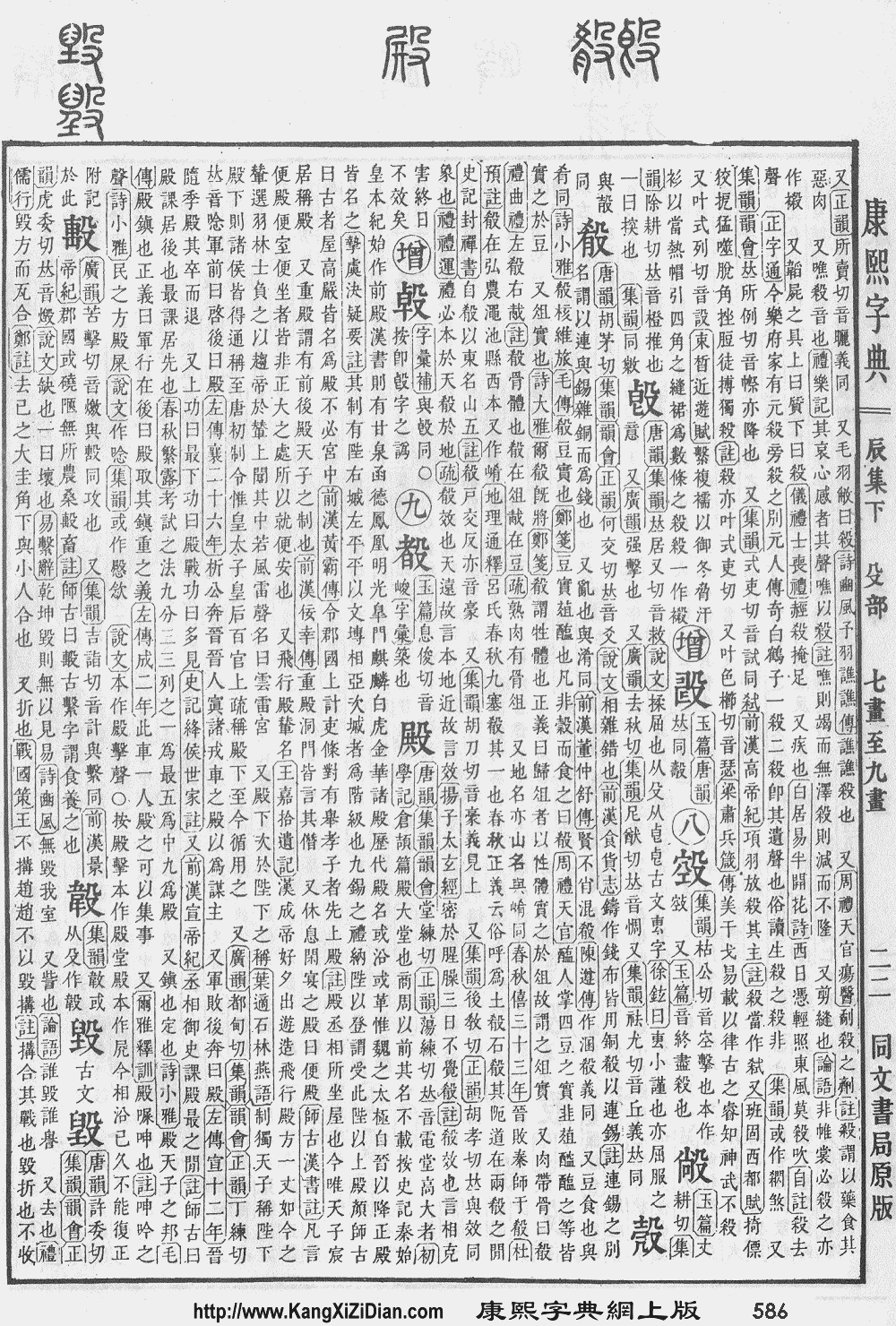
- Kangxi Dictionary: page 586, character 9
- Dai Kanwa Jiten: character 16651
- Dae Jaweon: page 978, character 15
- Hanyu Da Zidian (first edition): volume 3, page 2162, character 9
- Unihan data for U+6BBF
Chinese
| simp. and trad. |
殿 | |
|---|---|---|
| 2nd round simp. | 𡱒 | |
| alternative forms | 𣪍 | |
Glyph origin
| Historical forms of the character 殿 | |
|---|---|
| Shuowen Jiezi (compiled in Han) | Liushutong (compiled in Ming) |
| Small seal script | Transcribed ancient scripts |
 |
 |
Shuowen: Phono-semantic compound (形聲/形声, OC *tɯːns, *dɯːns) : phonetic 𡱂 (OC *duːn) + semantic 殳 (“hand holding a weapon”) – the sound of hitting (not attested in ancient documents).
Chi (2010) considers the character to be developed from 𠂤 (“buttocks”); 尸 (“body”) and 丌 (“pedestal”) are added to form 𡱂 (“buttocks”), and 殳 is added to emphasize the meaning of “hitting the buttocks”.
Etymology
From Proto-Sino-Tibetan *r-t(u/i)l (“buttocks; heel; dull; blunt; rounded part”). Compare Jingpho shatin (“buttocks”). Related to 臀 (OC *duːn, “buttocks”) (Schuessler, 2007).
Whether “lofty building” is related is unclear; Chi (2010) suggests that it is a semantic extension of “buttocks”, which are elevated from the ground.
Pronunciation
Definitions
殿
- lofty building; hall; palace; temple
- 耶和華啊,我喜愛你所住的殿和你顯榮耀的居所。 [MSC, trad.]
- From: 新標點和合本 (Chinese Union Version with New Punctuation), 詩篇 (Psalm) 26:8
- Yēhéhuá a, wǒ xǐ'ài nǐ suǒ zhù de diàn hé nǐ xiǎn róngyào de jūsuǒ. [Pinyin]
- Lord, I have loved the habitation of thy house, and the place where thine honour dwelleth.
耶和华啊,我喜爱你所住的殿和你显荣耀的居所。 [MSC, simp.]
- to bring up the rear
- † (military) rear
- † to protect; to defend
- a surname
Compounds
- 一殿
- 三大殿
- 三官殿 (Sānguāndiàn)
- 三寶殿/三宝殿
- 三時殿/三时殿
- 三殿
- 三清殿
- 三身殿
- 丙殿
- 中和殿
- 中殿 (zhōngdiàn)
- 丹殿
- 九華殿/九华殿
- 九間大殿/九间大殿
- 九間朝殿/九间朝殿
- 九龍殿/九龙殿
- 乾陽殿/干阳殿
- 交泰殿
- 享殿
- 仁智殿
- 佛殿 (fódiàn)
- 保和殿
- 便殿
- 偏殿
- 儀鸞殿/仪鸾殿
- 內殿/内殿
- 六合殿
- 最殿
- 凌波殿
- 凌霄殿
- 別殿/别殿
- 前殿
- 劍履上殿/剑履上殿
- 十殿
- 十殿閻王/十殿阎王
- 十王殿
- 升殿
- 卻非殿/却非殿
- 合歡殿/合欢殿
- 含元殿
- 吳殿/吴殿
- 含章殿
- 呵殿
- 地下宮殿/地下宫殿
- 坐殿
- 大成殿
- 大殿 (dàdiàn)
- 大殿選/大殿选
- 大登殿
- 大雄寶殿/大雄宝殿 (dàxióng bǎo diàn)
- 太和殿 (Tàihédiàn)
- 天王殿
- 妝殿/妆殿
- 宣和殿
- 宴殿
- 宮殿/宫殿 (gōngdiàn)
- 寒殿
- 寢殿/寝殿
- 寶殿/宝殿 (bǎodiàn)
- 小殿直
- 層殿/层殿
- 山殿
- 帷殿
- 帳殿/帐殿
- 幄殿
- 幕殿
- 廣寒殿/广寒殿
- 廟殿/庙殿
- 廡殿/庑殿
- 延英殿
- 建始殿
- 彤殿
- 影殿
- 後殿/后殿
- 御殿
- 復殿/复殿
- 忍殿
- 懋勤殿
- 抗殿
- 拜殿
- 掖殿
- 掃殿/扫殿
- 握髮殿/握发殿
- 撒殿
- 文德殿
- 文華殿/文华殿
- 明光殿
- 明殿
- 昇陽殿/升阳殿
- 昭仁殿
- 昭陽殿/昭阳殿 (Zhāoyáng Diàn)
- 暖殿
- 書殿/书殿
- 月殿
- 月殿嫦娥
- 未央殿 (Wèiyāng Diàn)
- 朱殿
- 朵殿
- 松殿
- 柏梁殿
- 架殿
- 桂宮蘭殿/桂宫兰殿
- 桂殿
- 梵殿
- 椒房殿
- 椒殿
- 棕殿
- 椒殿院
- 森羅寶殿/森罗宝殿
- 森羅殿/森罗殿
- 楚殿
- 樓殿/楼殿
- 正殿 (zhèngdiàn)
- 武殿試/武殿试
- 武英殿
- 殿下 (diànxià)
- 殿上虎
- 殿主
- 殿使
- 殿元
- 殿兵
- 殿最
- 殿呵
- 殿喝
- 殿堂 (diàntáng)
- 殿宇 (diànyǔ)
- 殿寢/殿寝
- 殿屎
- 殿岩
- 殿巖/殿岩
- 殿帥/殿帅
- 殿庭
- 殿廬/殿庐
- 殿廷
- 殿後/殿后 (diànhòu)
- 殿撰
- 殿春
- 殿本
- 殿榜
- 殿版
- 殿直
- 殿省
- 殿罰/殿罚
- 殿腳/殿脚
- 殿腳女/殿脚女
- 殿舉/殿举
- 殿舍
- 殿虎
- 殿試/殿试 (diànshì)
- 殿負/殿负
- 殿軍/殿军 (diànjūn)
- 殿邦
- 殿鐘自鳴/殿钟自鸣
- 殿閣/殿阁
- 殿闕/殿阙
- 殿闥/殿闼
- 殿陛
- 殿院
- 殿頭官/殿头官
- 殿魁
- 毳殿
- 水殿
- 油殿
- 浴殿
- 涼殿/凉殿
- 清虛殿/清虚殿
- 湯殿/汤殿
- 照殿紅/照殿红
- 燕殿
- 玉樓金殿/玉楼金殿
- 玉殿
- 珍殿
- 珠殿
- 琪殿
- 瑤殿/瑶殿
- 璧殿
- 瓊殿/琼殿
- 瓦殿
- 畫殿/画殿
- 登殿 (dēngdiàn)
- 白虎殿
- 皇極殿/皇极殿
- 石殿
- 石虎殿
- 碧殿
- 祈年殿
- 神御殿
- 祕殿/秘殿
- 神殿 (shéndiàn)
- 禁殿
- 秋殿
- 稽殿
- 竹殿
- 紫殿
- 紺殿/绀殿
- 繞殿雷/绕殿雷
- 罵殿/骂殿
- 義殿/义殿
- 茅殿
- 虎殿
- 蜀殿瓊人/蜀殿琼人
- 行殿
- 複殿/复殿
- 記殿/记殿
- 設朝升殿/设朝升殿
- 訶殿/诃殿
- 課殿/课殿
- 講殿/讲殿
- 議殿/议殿
- 讌殿/宴殿
- 負殿/负殿
- 賀后罵殿/贺后骂殿
- 路殿
- 軒殿/轩殿
- 退殿
- 通光殿
- 通明殿
- 過殿/过殿
- 遺殿/遗殿
- 遶殿雷/绕殿雷
- 避宮殿/避宫殿
- 避正殿
- 避殿
- 還殿/还殿
- 邃殿
- 避殿損膳/避殿损膳
- 避殿減膳/避殿减膳
- 邇英殿/迩英殿
- 配殿
- 重殿
- 金殿 (jīndiàn)
- 金華殿/金华殿
- 金華殿語/金华殿语
- 金鑾寶殿/金銮宝殿
- 金鑾殿/金銮殿
- 金鸞殿/金鸾殿
- 銀安殿/银安殿
- 銀殿/银殿
- 鋪殿花/铺殿花
- 鎮殿將軍/镇殿将军
- 鏡殿/镜殿
- 鑾殿/銮殿
- 長樂殿/长乐殿
- 長生殿/长生殿 (Chángshēng Diàn)
- 閣殿/阁殿
- 閻王殿/阎王殿
- 閻羅殿/阎罗殿
- 阿房殿
- 阿殿
- 陛殿
- 陵殿
- 集仙殿
- 集賢殿/集贤殿
- 離殿/离殿
- 離殿別寢/离殿别寝
- 雲殿/云殿
- 霜殿
- 靈光殿/灵光殿
- 靈和殿/灵和殿
- 靈霄寶殿/灵霄宝殿
- 青娥殿腳/青娥殿脚
- 青殿
- 鞏殿/巩殿
- 韓王殿/韩王殿
- 風殿/风殿
- 飛殿/飞殿
- 飛行殿/飞行殿
- 飛雲殿/飞云殿
- 養心殿/养心殿
- 館殿/馆殿
- 饗殿/飨殿
- 香殿
- 馬殿/马殿
- 騶殿/驺殿
- 驅殿/驱殿
- 魯殿/鲁殿
- 魯殿靈光/鲁殿灵光
- 魯靈光殿/鲁灵光殿
- 鴛鴦殿/鸳鸯殿
- 鵲殿/鹊殿
- 鷲殿/鹫殿
- 鸞殿/鸾殿
- 麒麟殿
- 麟德殿
- 麟殿
- 麟趾殿
- 龍殿/龙殿
Japanese
Readings
Compounds
- 沈殿 (chinden)
Etymology 1
| Kanji in this term |
|---|
| 殿 |
| どの Grade: S |
| kun’yomi |
The tono changes to dono as an instance of rendaku (連濁).
Pronunciation
- IPA(key): [do̞no̞]
Etymology 2
| Kanji in this term |
|---|
| 殿 |
| との Grade: S |
| kun’yomi |
From Old Japanese. First attested in the Nihon Shoki of 720 CE.[1]
References
- “殿”, in 日本国語大辞典 (Nihon Kokugo Daijiten, “Nihon Kokugo Daijiten”) (in Japanese), concise edition, Tōkyō: Shogakukan, 2000
- 2006, 大辞林 (Daijirin), Third Edition (in Japanese), Tōkyō: Sanseidō, →ISBN
Korean
Hanja
殿 • (jeon) (hangeul 전, revised jeon, McCune–Reischauer chŏn, Yale cen)
- This term needs a translation to English. Please help out and add a translation, then remove the text
{{rfdef}}.