丸
| ||||||||
 | ||||||||
Translingual
| Stroke order | |||
|---|---|---|---|
 | |||
Han character
丸 (Kangxi radical 3, 丶+2, 3 strokes, cangjie input 大弓戈 (KNI), four-corner 50017, composition ⿻九丶(GJKV) or ⿵九丶(HT))
References
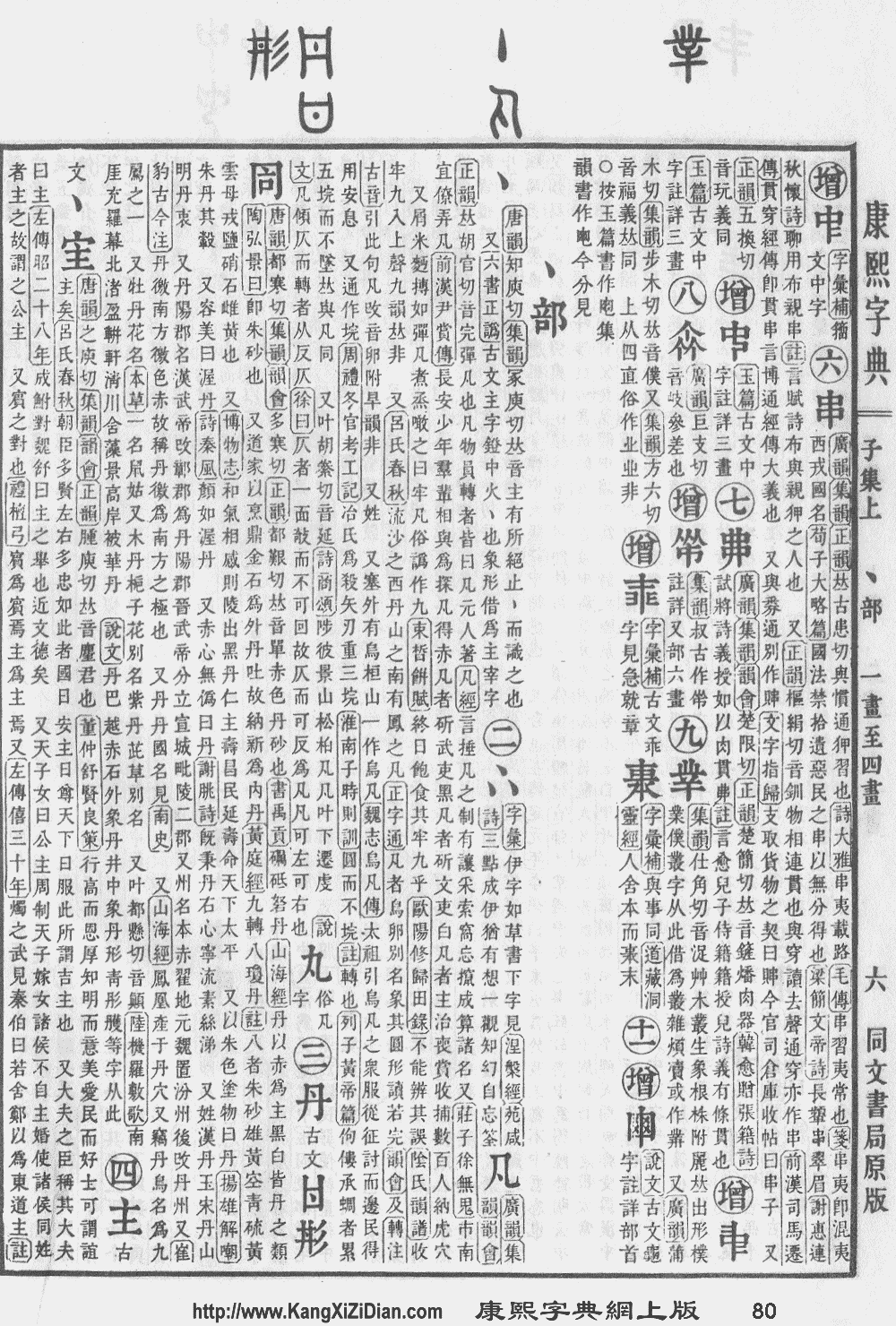
- Kangxi Dictionary: page 80, character 15
- Dai Kanwa Jiten: character 94
- Dae Jaweon: page 162, character 17
- Hanyu Da Zidian (first edition): volume 1, page 42, character 11
- Unihan data for U+4E38
- Unihan data for U+2F801
Chinese
Lua error in Module:utilities at line 142: attempt to perform arithmetic on local 'h' (a nil value)
Glyph origin
| Historical forms of the character 丸 | |||||||||||
|---|---|---|---|---|---|---|---|---|---|---|---|
| Shuowen Jiezi (compiled in Han) | Liushutong (compiled in Ming) | ||||||||||
| Small seal script | Transcribed ancient scripts | ||||||||||
 |
 | ||||||||||
|
|
References: Mostly from Richard Sears' Chinese Etymology site (authorisation),
| |||||||||||


Shuowen suggests that it is an ideogram (指事) from 仄 (“to tilt”) flipped – something that can be tilted and turned; something round.
Unrelated to the right component of characters like 執 and 孰, which comes from 丮.
Etymology 1
(This etymology is missing or incomplete. Please add to it, or discuss it at the Etymology scriptorium. Particularly: “any relation to 圓?”)
Pronunciation
Definitions
丸
Compounds
- 一丸五色
- 一丸泥
- 七十味珍珠丸 (qīshíwèi zhēnzhū wán)
- 七味榼滕子丸 (qīwèi kèténgzǐ wán)
- 下坂走丸
- 三妙丸 (sānmiào wán)
- 下阪丸
- 下阪走丸
- 丸丸
- 丸丹
- 丸仔 (wánzǎi)
- 丸劍/丸剑
- 丸劑/丸剂 (wánjì)
- 丸卵
- 丸子 (wánzi)
- 丸封
- 丸散
- 丸散膏丹
- 丸泥
- 丸熊
- 丸田
- 丸粒
- 丸藥/丸药 (wányào)
- 丸藥膏丹/丸药膏丹
- 丸蘭/丸兰
- 丸赤白
- 丸轉/丸转
- 丸髻
- 丸墨
- 丸鼓
- 丹砂丸
- 事後丸/事后丸
- 二十五味珍珠丸 (èrshíwǔwèi zhēnzhū wán)
- 二十五味珊瑚丸 (èrshíwǔwèi shānhú wán)
- 二妙丸 (èrmiào wán)
- 二至丸 (èrzhì wán)
- 五味麝香丸 (wǔwèi shèxiāng wán)
- 五子衍宗丸 (wǔzǐ yǎnzōng wán)
- 五福化毒丸 (wǔfú huàdúwán)
- 健步丸 (jiànbùwán)
- 八珍益母丸 (bāzhēn yìmǔ wán)
- 六合定中丸 (liùhé dìngzhòng wán)
- 函谷丸
- 前列舒丸 (qiánlièshū wán)
- 副睪丸/副睾丸
- 十一味能消丸 (shíyīwèi néngxiāowán)
- 十五味沉香丸 (shíwǔwèi chénxiāng wán)
- 十六味冬青丸 (shíliùwèi dōngqīng wán)
- 十香止痛丸 (shíxiāng zhǐtòng wán)
- 十香返生丸 (shíxiāng fǎnshēng wán)
- 古丸
- 和丸
- 和丸教子
- 和香丸
- 啪丸
- 四君子丸 (sìjūnzǐ wán)
- 四正丸 (sìzhèng wán)
- 四神丸 (sìshén wán)
- 固經丸/固经丸 (gùjīngwán)
- 大力丸
- 大山楂丸 (dàshānzhā wán)
- 女金丸 (nǚjīn wán)
- 妙濟丸/妙济丸 (miàojì wán)
- 定心丸 (dìngxīnwán)
- 寬心丸/宽心丸
- 寬心丸兒/宽心丸儿
- 小金丸 (xiǎojīn wán)
- 少腹逐瘀丸 (shàofù zhúyū wán)
- 尖米丸
- 巧丸
- 帛丸
- 弄丸
- 彈丸/弹丸
- 彈丸之地/弹丸之地 (dànwánzhīdì)
- 彈丸脫手/弹丸脱手
- 彈丸黑子/弹丸黑子
- 彈丸黑誌/弹丸黑志
- 得生丸 (déshēng wán)
- 快樂丸/快乐丸 (kuàilèwán)
- 息肌丸
- 戊己丸 (wùjǐ wán)
- 拋丸/抛丸
- 探丸
- 捶丸 (chuíwán)
- 探丸借客
- 控涎丸 (kòngxián wán)
- 探赤丸
- 探黑丸
- 揣丸
- 揈頭丸/揈头丸
- 搖丸/摇丸
- 搖頭丸/摇头丸 (yáotóuwán)
- 摶丸/抟丸
- 擊丸/击丸
- 擲丸/掷丸
- 木丸
- 木瓜丸 (mùguāwán)
- 松丸
- 松梅丸
- 桂枝茯苓丸 (guìzhī fúlíng wán)
- 桂附理中丸 (guìfù lǐzhōng wán)
- 梅丸
- 梅蘇丸/梅苏丸
- 棋丸
- 槐角丸 (huáijiǎo wán)
- 樟腦丸/樟脑丸 (zhāngnǎowán)
- 橘丸
- 櫝丸/椟丸
- 毛丸
- 水晶丸
- 汆丸子湯/汆丸子汤
- 沙丸
- 泥丸 (níwán)
- 泥丸宮/泥丸宫
- 流丸
- 清咽丸 (qīngyàn wán)
- 清瘟解毒丸 (qīngwēn jiědú wán)
- 清眩丸 (qīngxuàn wán)
- 清肺抑火丸 (qīngfèi yìhuǒ wán)
- 清肺消炎丸 (qīngfèi xiāoyán wán)
- 湯丸/汤丸
- 炸丸
- 炸丸子
- 熊丸
- 熊丸之教
- 燕丸
- 牛丸 (niúwán)
- 牢丸
- 獨睡丸/独睡丸
- 珍珠丸子
- 珠丸
- 琥珀抱龍丸/琥珀抱龙丸 (hǔpò bàolóngwán)
- 生血丸 (shēngxuèwán)
- 畫荻丸熊/画荻丸熊
- 畫荻和丸/画荻和丸
- 痛經丸/痛经丸 (tòngjīngwán)
- 白帶丸/白带丸 (báidàiwán)
- 百八丸
- 皾丸/𰤬丸
- 睪丸/睾丸
- 石斛夜光丸 (shíhú yèguāng wán)
- 糞丸/粪丸
- 糯米丸子
- 紅丸/红丸
- 紅丸案/红丸案
- 累丸
- 紫心丸
- 縛雞弄丸/缚鸡弄丸
- 繡丸/绣丸
- 羆丸/罴丸
- 羚羊清肺丸 (língyáng qīngfèi wán)
- 老泥丸
- 聰明丸/聪明丸
- 肉丸 (ròuwán)
- 肉丸子
- 脷底丸
- 脫手彈丸/脱手弹丸
- 臭丸
- 舒筋丸 (shūjīn wán)
- 舒肝丸 (shūgān wán)
- 舒肝和胃丸 (shūgān héwèi wán)
- 良附丸 (liángfù wán)
- 芎菊上清丸 (xiōngjú shàngqīng wán)
- 芝士丸
- 茴香橘核丸 (huíxiāng júhé wán)
- 蕞爾彈丸/蕞尔弹丸
- 薄血丸 (bóxuèwán)
- 藥丸/药丸 (yàowán)
- 蛤蚧定喘丸 (géjiè dìngchuǎn wán)
- 蜜丸
- 蜣丸
- 蜜丸子
- 蜣蜋轉丸/蜣蜋转丸
- 蜣郎轉丸/蜣郎转丸
- 蝦丸/虾丸
- 蠟丸/蜡丸
- 蠟丸帛書/蜡丸帛书
- 蠟丸書/蜡丸书
- 蠟丸絹書/蜡丸绢书
- 蠟丸體/蜡丸体
- 衛生丸/卫生丸 (wèishēngwán)
- 見連丸/见连丸
- 詩丸/诗丸
- 豨薟丸/豨莶丸 (xīxiānwán)
- 貢丸/贡丸 (gòngwán)
- 赤丸
- 赤白丸
- 走丸
- 走丸逆坂
- 走丸逆阪
- 跳丸
- 轉丸/转丸
- 送丸
- 逆阪走丸
- 通宣理肺丸 (tōngxuān lǐfèi wán)
- 避丸
- 避孕丸 (bìyùnwán)
- 金丸 (jīnwán)
- 金丸使者
- 鉛丸/铅丸
- 銅丸/铜丸
- 銀丸/银丸
- 鐵丸/铁丸
- 阪上走丸 (bǎnshàngzǒuwán)
- 阪走丸
- 附子理中丸 (fùzǐ lǐzhōng wán)
- 降糖丸 (jiàngtáng wán)
- 陷冰丸
- 隃糜丸
- 雙丸/双丸
- 雜丸/杂丸
- 難心丸/难心丸
- 雷丸 (léiwán)
- 青果丸 (qīngguǒ wán)
- 韇丸/𱁷丸
- 韥丸
- 須丸/须丸
- 順氣丸/顺气丸
- 飛丸/飞丸
- 飯丸/饭丸
- 香丸
- 香砂六君丸 (xiāngshā liùjūn wán)
- 香附丸 (xiāngfù wán)
- 魚丸/鱼丸 (yúwán)
- 魚丸子/鱼丸子
- 鴨頭丸帖/鸭头丸帖
- 鷺鷥咯丸/鹭鸶咯丸 (lùsīkǎwán)
- 鹹丸子/咸丸子
- 麝香保心丸 (shèxiāng bǎoxīn wán)
- 麻仁丸 (márén wán)
- 黃丸/黄丸
- 黃金丸/黄金丸
- 黑丸
- 墨丸
- 墨魚丸/墨鱼丸 (mòyúwán)
Pronunciation
Japanese
Readings
Lua error in Module:utilities at line 142: attempt to perform arithmetic on local 'h' (a nil value) (Can we verify(+) this pronunciation?)
Compounds
Etymology 1
| Kanji in this term |
|---|
| 丸 |
| まる Grade: 2 |
| kun’yomi |
⟨maro2⟩ → */marə/ → /maru/
Shift from Old Japanese 丸 (maro, see below).[1]
Alternative forms
- (round object, soft-shell turtle, wholeness): 円
Pronunciation
- Pitch accent for prefix unknown.
Noun
丸 • (maru)
- any round object:
- (colloquial) money
- Synonym: 金銭 (kinsen)
- enclosure inside a castle's walls
- (colloquial) the 。 mark, or 句点 (kuten, “full stop, period”)
- (colloquial) the ゜ mark, or 半濁点 (handakuten, “semi-voicing mark”)
- the circular outline of a Japanese crest
- (Kansai) a soft-shell turtle
- Synonym: 鼈 (suppon)
- term relating to completeness:
- a Japanese unit of weight
- a Japanese unit of counting washi
- a day where prices are doubled in a red-light district
Derived terms
- 丸い (marui)
- 丸かし (marukashi)
- 丸っこい (marukkoi)
- 丸で (marude)
- 丸まる (marumaru, “become rounded”)
- 丸み (marumi, “roundness”)
- 丸む (marumu), 丸める (marumeru)
- 丸丸, 丸々 (marumaru)
- 丸石 (maruishi)
- 丸刈り (marugari)
- 丸太 (maruta)
- 丸の儘 (maru no mama)
- 丸彫り (marubori)
- 丸儲け (marumōke)
- 丸持, 丸持ち (marumochi)
- 木の丸殿 (ki no marudono)
- 二の丸 (ni no maru, “outer citadel”)
- 日の丸 (hi no maru), 日の丸 (Hinomaru)
- 真ん丸 (manmaru, “perfect circle”)
Derived terms
Etymology 2
| Kanji in this term |
|---|
| 丸 |
| まる Grade: 2 |
| kun’yomi |
Suffix
丸 • (-maru)
Pronoun
丸 • (maru)
Etymology 3
| Kanji in this term |
|---|
| 丸 |
| まろ Grade: 2 |
| kun’yomi |
⟨maro2⟩ → */marə/ → /maro/
From Old Japanese. Appears to be the older form.
Derived terms
Derived terms
- 螺旋丸 (rasengan)
Korean
Hanja
丸 (eumhun 둥글 환 (dunggeul hwan))
- This term needs a translation to English. Please help out and add a translation, then remove the text
{{rfdef}}.
References
Vietnamese
Han character
丸: Hán Nôm readings: hoàn, hòn, giúp, xắp, xóp
- This term needs a translation to English. Please help out and add a translation, then remove the text
{{rfdef}}.